Why a Truck Camper is the Ultimate DIY Platform for Overlanding
Overlanding isn't just about reaching remote destinations—it's about self-reliance, adaptability, and turning your vehicle into a capable, comfortable basecamp that can handle anything from rocky trails to multi-week boondocking adventures. In 2026, amid rising interest in off-grid exploration, the truck camper stands out as the ultimate DIY platform. Unlike vans, rooftop tents (RTTs), or towable trailers, a truck camper offers unmatched versatility: it's removable, customizable, and integrates seamlessly with a capable pickup truck to create a true go-anywhere rig.
Whether you're building from a basic shell or going full custom, truck campers empower DIY enthusiasts to craft a personalized adventure machine. Lightweight pop-ups keep your rig nimble for tight trails, while hard-side models provide four-season comfort. The global overlanding community increasingly favors them for their balance of capability, cost, and creativity—allowing you to start simple and evolve over time.
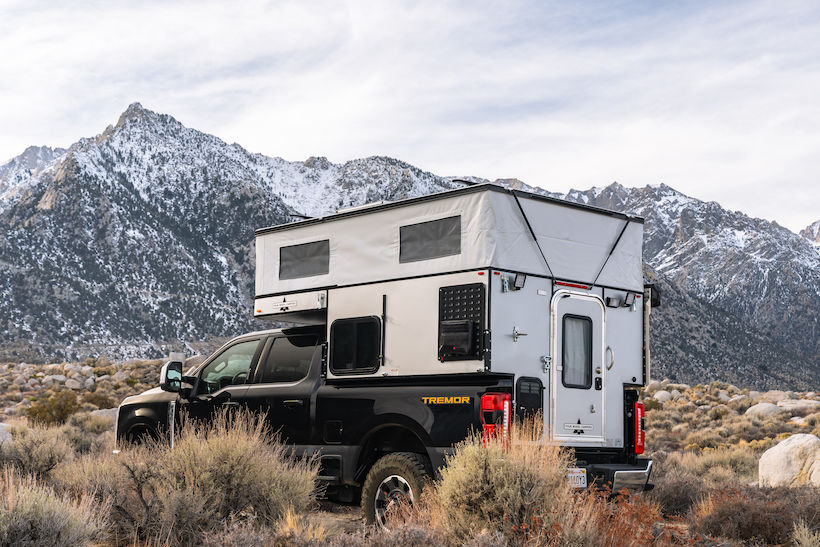
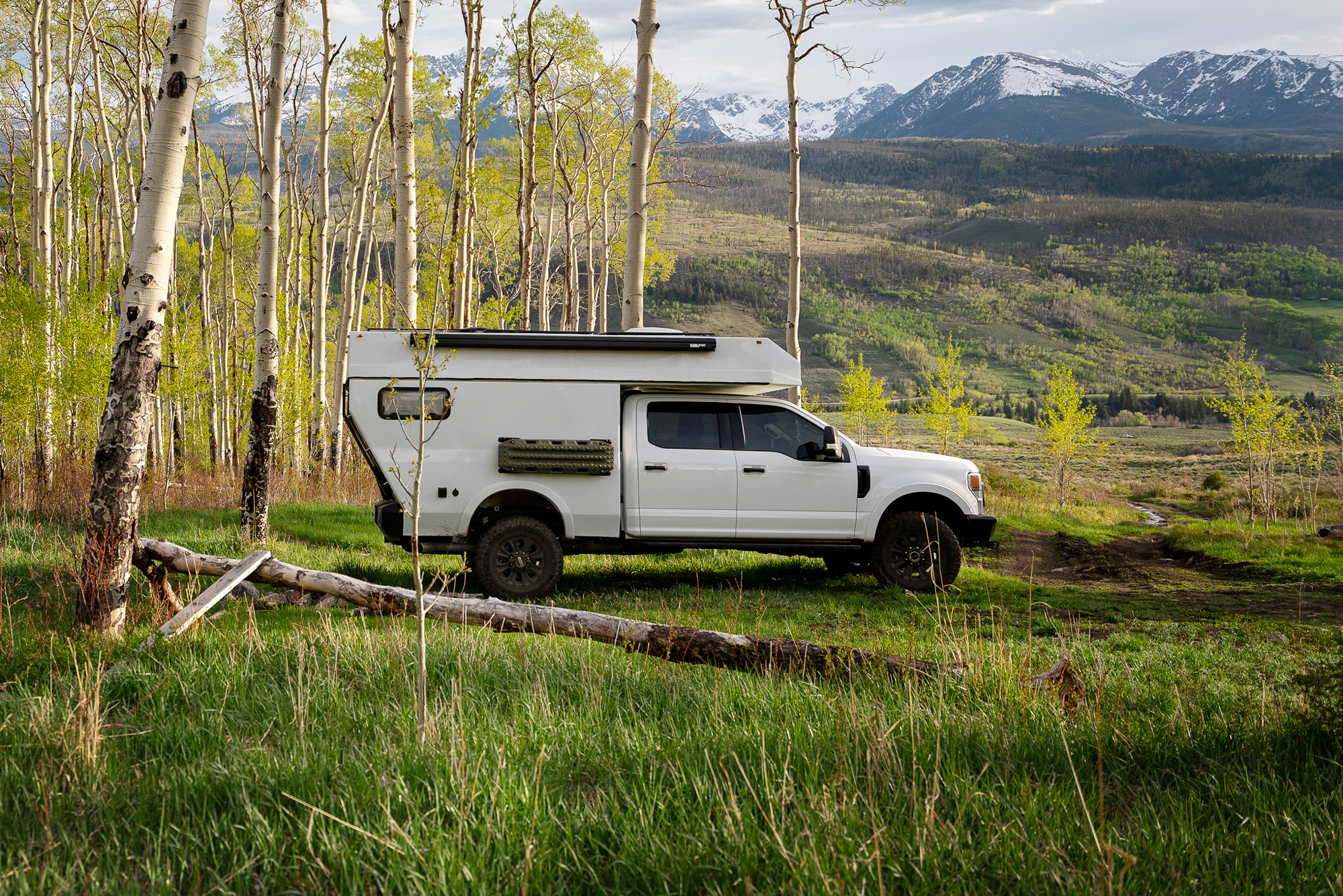
Why Truck Campers Excel for Overlanding: Key Advantages
Truck campers shine where other setups fall short. Here's why they're the preferred choice for serious overlanders:
- Superior Off-Road Capability and Maneuverability Mounted in the truck bed, the camper keeps the vehicle's wheelbase short, center of gravity low (especially with pop-ups), and approach/departure angles high. No trailer means no sway on rough terrain, easier recovery if stuck, and the ability to navigate narrow trails, steep inclines, or tight switchbacks that trailers can't handle. Pop-up models reduce height for better clearance under branches or low obstacles, while hard-sides offer stability without excessive wind drag.
- Quick Setup and Instant Camp No unfolding tents or unhitching trailers—just park, level (if needed), and you're home. Pop-ups deploy in minutes; hard-sides require zero setup. This means more time exploring and less fiddling, ideal for late arrivals or frequent moves.
- Versatility and Daily Usability Remove the camper for truck-only duties (hauling, commuting, or towing toys). Use the truck solo for day trips while leaving camp set up. Many owners swap between short- and long-bed trucks or even flatbeds for ultimate flexibility.
- Better Fuel Economy and Storage Lighter than most RVs or vans, truck campers improve MPG (often 5+ better than towing). The truck bed footprint fits standard parking spots, and you gain secure, locked storage for gear without external hitches.
- DIY Customization Heaven Truck campers are blank canvases. Start with an affordable shell (pop-up or hard-side) and add solar, insulation, plumbing, cabinets, and off-grid systems yourself. Composite builds save weight (500+ lbs lighter than traditional), improving handling and payload. It's modular: upgrade incrementally without starting over.
Compared to RTTs (exposed, weather-vulnerable, ladder access) or vans (less off-road capable, harder to remove), truck campers offer enclosed comfort, security, and true four-season potential.

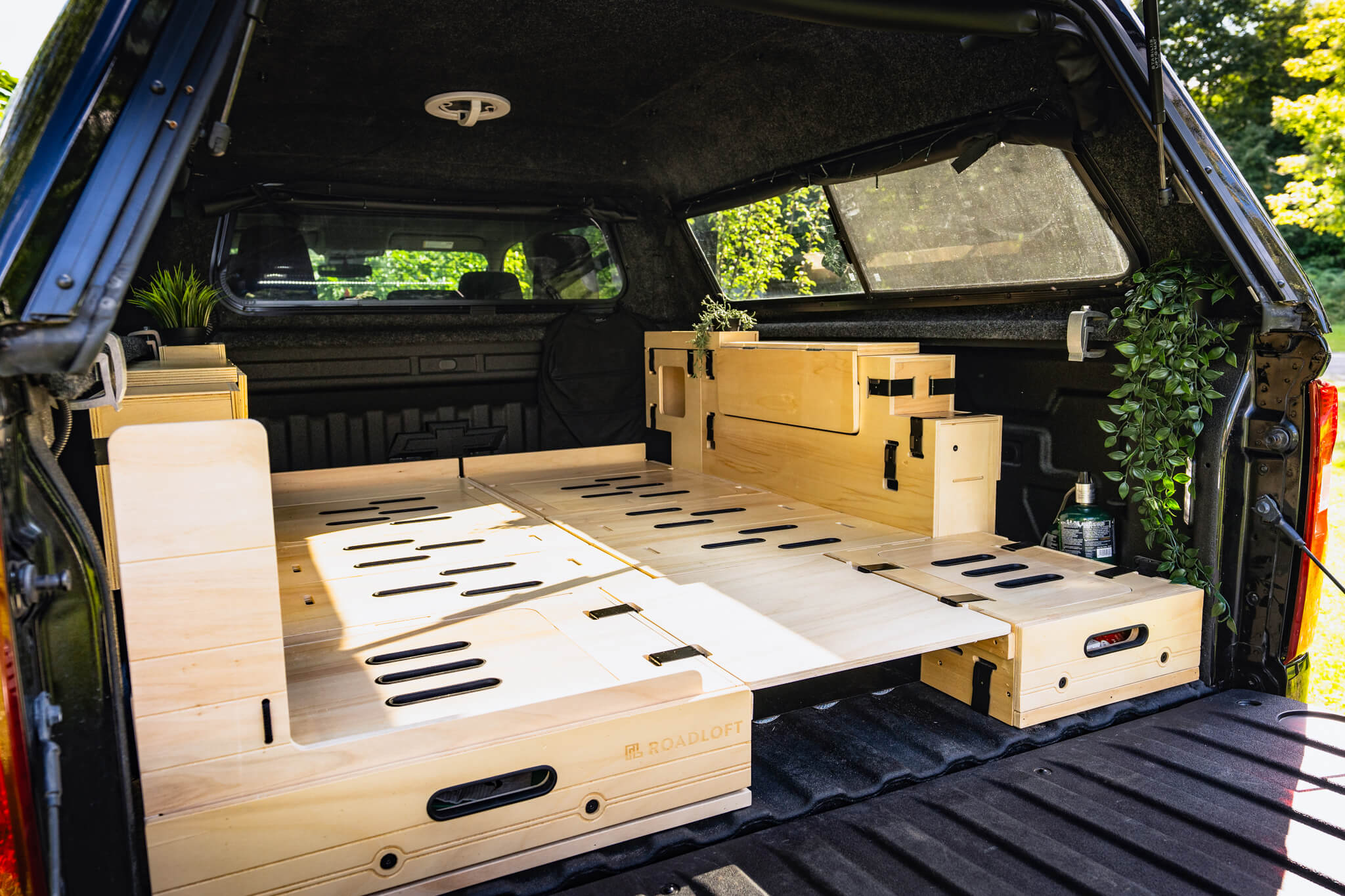
The DIY Appeal: Build Your Dream Overland Rig Step by Step
The real magic is in the DIY aspect. Truck campers reward creativity and hands-on work:
- Choose Your Base Start with a pop-up (e.g., Four Wheel Campers, Scout Yoho) for lightweight agility or hard-side (e.g., Supertramp, Outpost) for insulation and amenities. Composite options like Tune M1 prioritize low weight and four-season use.
- Core Upgrades
- Insulation and heating (diesel/propane heaters for cold nights)
- Solar panels + lithium batteries for off-grid power
- Water systems: tanks, pumps, sinks, cassette toilets
- Kitchen: fridge, stove, storage drawers
- Interior: beds, seating, lighting, ventilation fans
- Advanced Touches Add roof racks for kayaks/gear, awnings, exterior showers, or even modular ledges for extra space. Many builders use plywood, aluminum framing, or pre-fab kits for durability.
Costs range from $10,000–$30,000 for DIY shells + builds, far less than custom vans or overland trailers. The process fosters skills and personalization—your rig becomes uniquely yours.
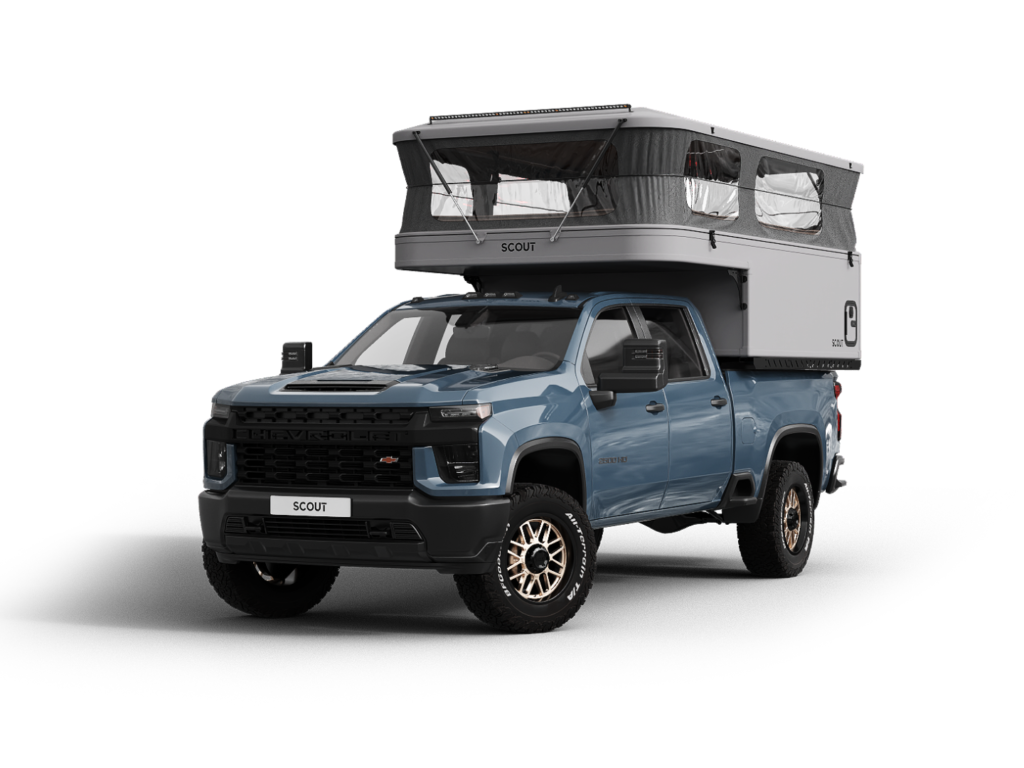
Top Truck Campers for Overlanding in 2026
The market is thriving with innovative options:
- Four Wheel Campers CampOut Modular pop-up with excellent value, lightweight design, and proven durability—perfect for DIY expansions.
- Scout Olympic / Yoho Lightweight hard-wall or pop-up builds, emphasizing off-road capability and modern features like better insulation.
- Tune M1 Redefines lightweight pop-ups with class-leading interior volume, side ledges, and four-season comfort.
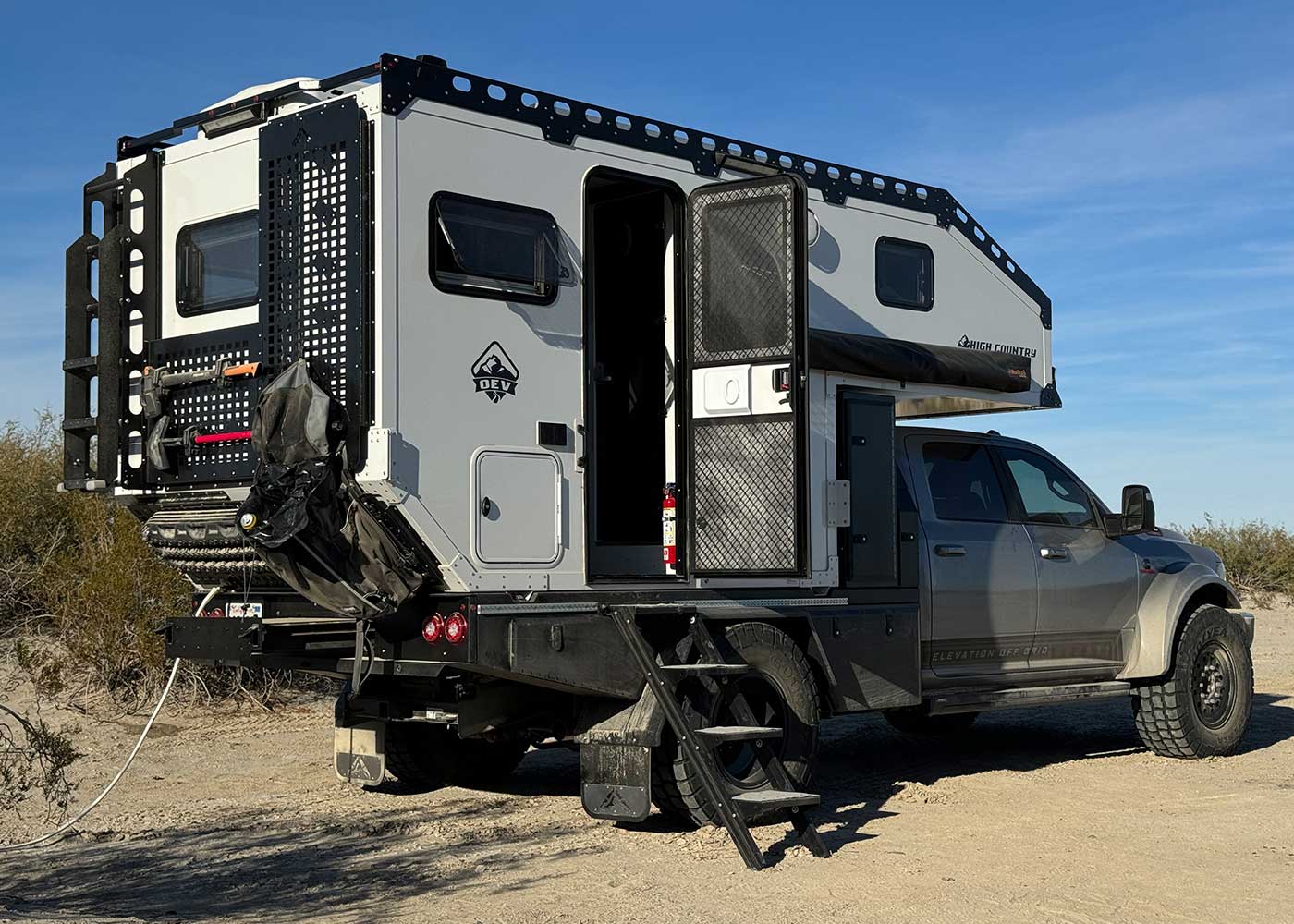
- Overland Explorer Vehicles High Country Rugged hard-side with expedition-grade features: roof racks, armor, and spacious interiors.
- Outpost 6.5 / Supertramp Flagship Hard-side models for half-ton+ trucks, offering queen beds, baths, and off-grid readiness.
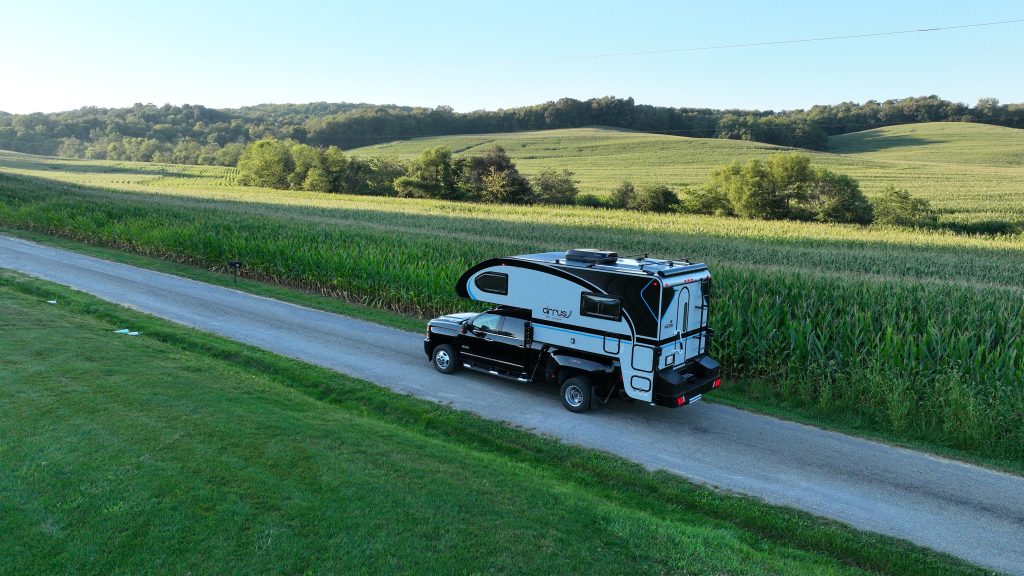
Other standouts include nuCamp Cirrus, Host Yukon, and custom flatbed conversions for extreme builds.
The Future of DIY Overlanding
As overlanding grows, truck campers evolve with lighter composites, integrated solar, hybrid truck compatibility, and smarter tech (app-controlled systems, AI route planning). They remain the ultimate DIY platform: accessible entry, endless customization, and real-world performance.
A truck camper isn't just shelter—it's freedom on four wheels. It lets you build, explore, and adapt without limits.
What's your dream truck camper build? Pop-up minimalist or hard-side luxury? Share in the comments!


评论
发表评论