From Stock Truck to Expedition Rig: The 5 Stages of a Custom Build
In 2026, the line between daily driver and expedition-ready vehicle has blurred. High-net-worth individuals, executives, and overland enthusiasts increasingly transform stock pickup trucks or large SUVs — such as the Ford F-150, Chevrolet Silverado, Toyota Tundra, or Cadillac Escalade — into versatile expedition rigs. These builds blend off-road capability, ballistic protection, luxury interiors, and long-range self-sufficiency for remote adventures, corporate travel in uncertain environments, or family expeditions.
A professional custom build typically unfolds in five distinct stages. Each stage builds on the previous, addressing weight, performance, safety, and comfort. Whether adding subtle armoring for discreet executive protection or full overland gear for remote exploration, following these stages ensures a cohesive, reliable result.
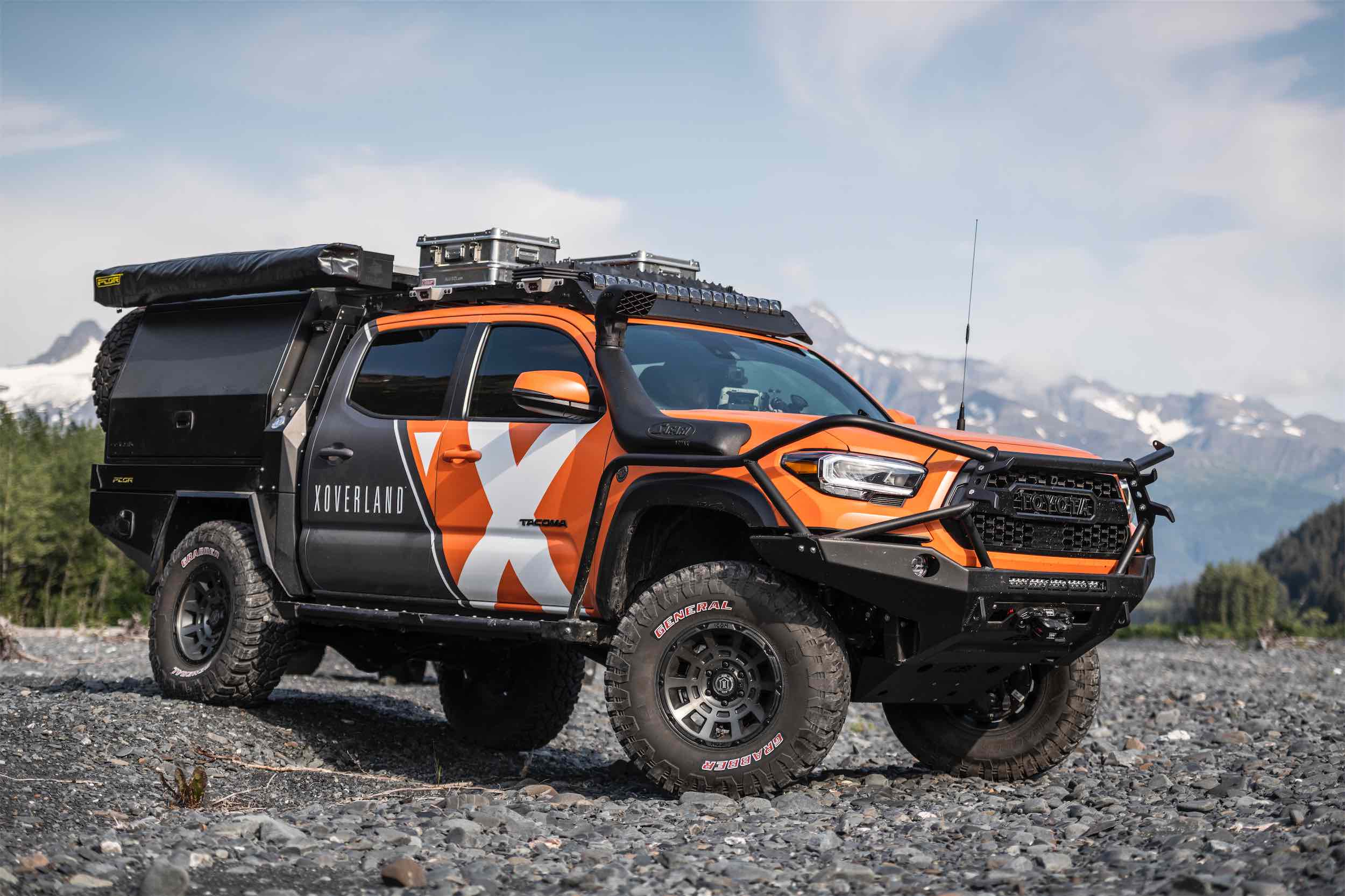
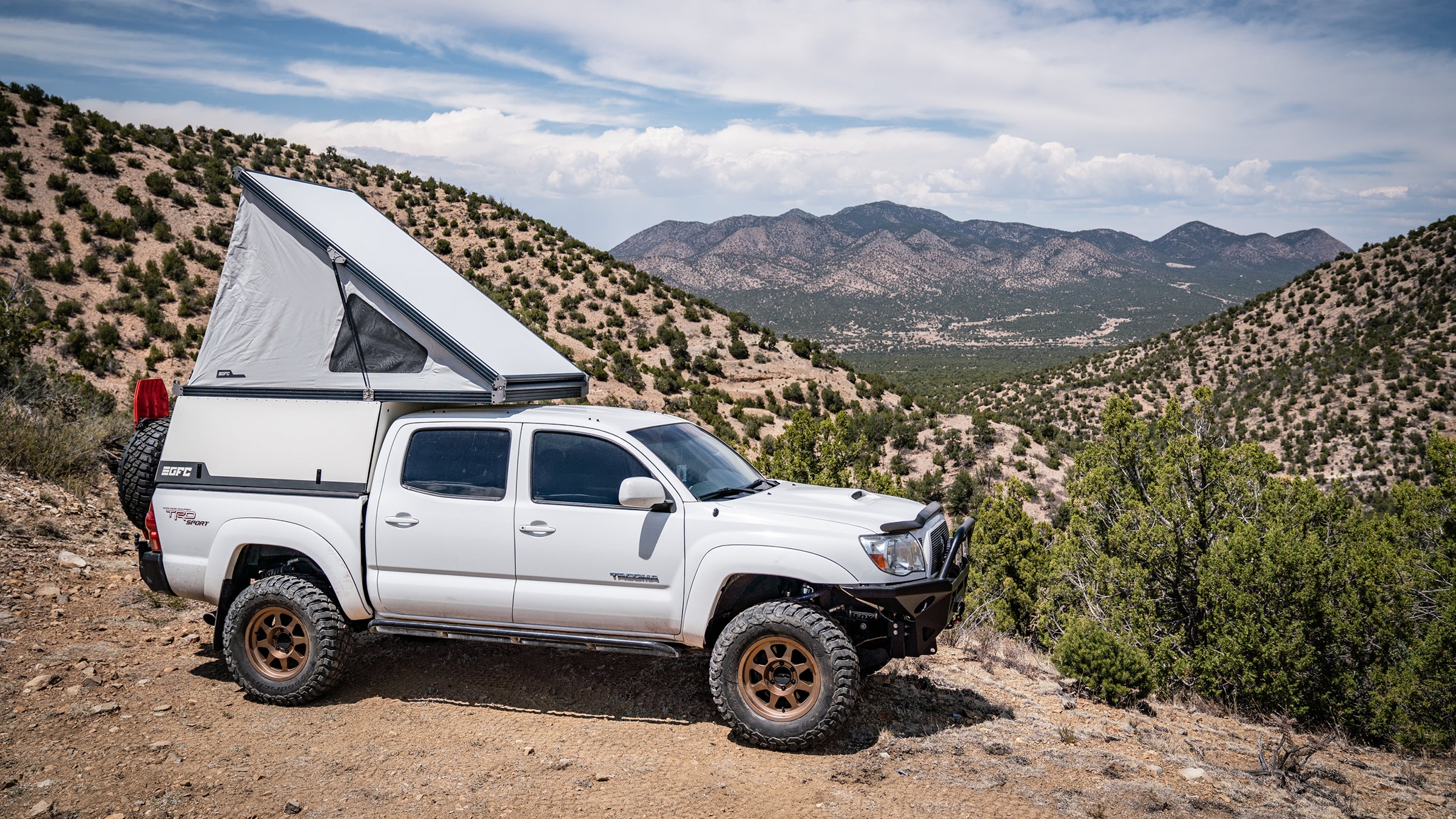
Stage 1: Foundation – Suspension, Lift, and Chassis Reinforcement
Every expedition build starts with the chassis. A stock truck sits low with street-tuned suspension ill-suited for heavy loads, rough terrain, or added armor weight.
Key modifications:
- Lift kit installation (4–8+ inches) using heavy-duty coils, leaf springs, or air suspension to restore ground clearance and accommodate larger tires.
- Reinforced control arms, sway bars, and track bars for stability under load.
- Upgraded shocks and struts (e.g., Fox, Bilstein, or King) tuned for both on-road comfort and off-road articulation.
- Chassis bracing or frame reinforcements to handle torsional stress from armor plating or roof racks.
Why it matters: Added weight from later stages (armor can exceed 1,500–2,500 lbs) would otherwise cause sagging, poor handling, and accelerated wear. Proper foundation work prevents costly failures down the line.
At this stage, the vehicle gains its signature aggressive stance while remaining drivable on highways.
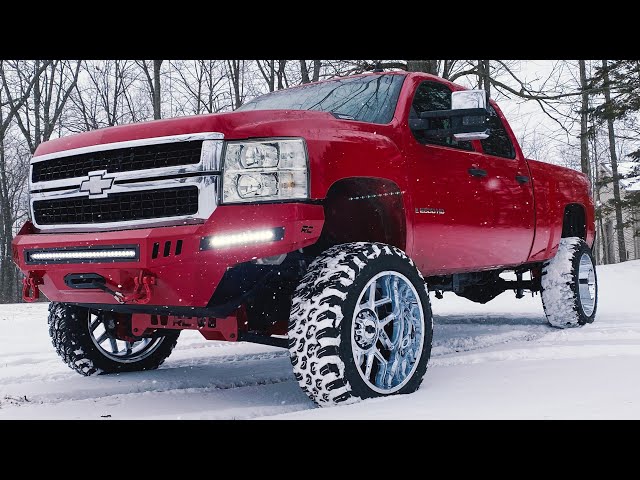
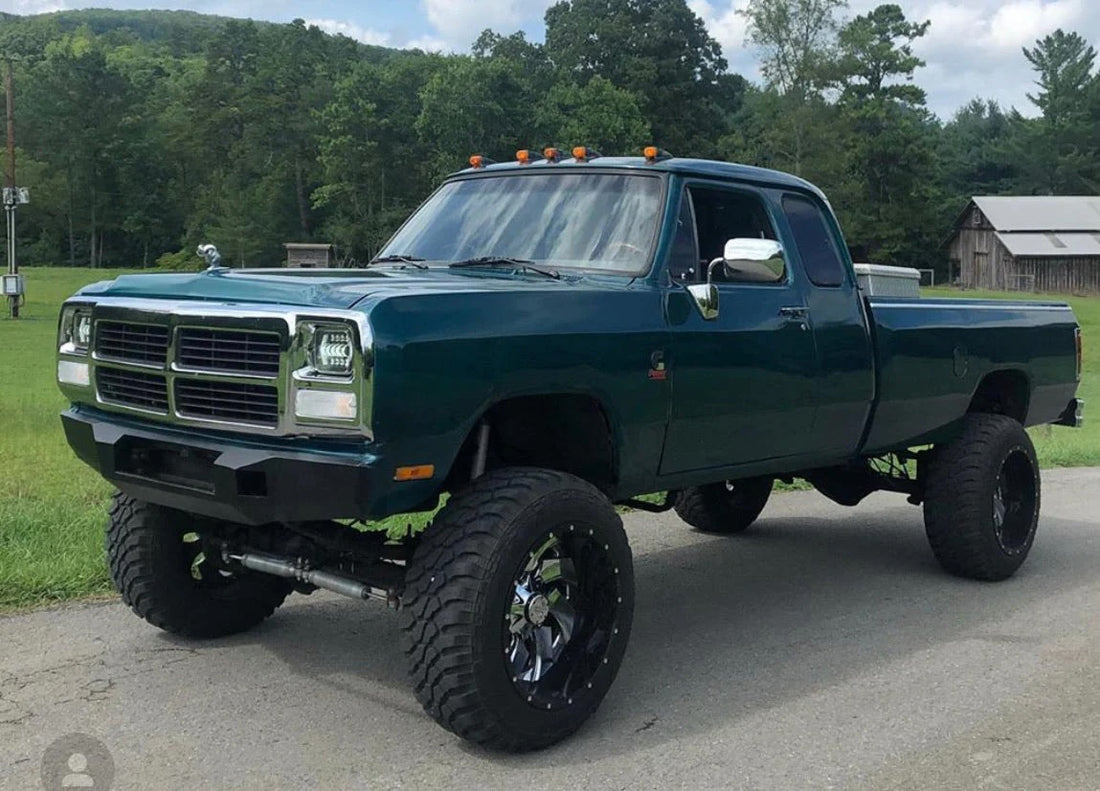
Stage 2: Mobility – Tires, Wheels, Brakes, and Drivetrain Upgrades
With height achieved, the rig needs the right “feet” and stopping power.
Key modifications:
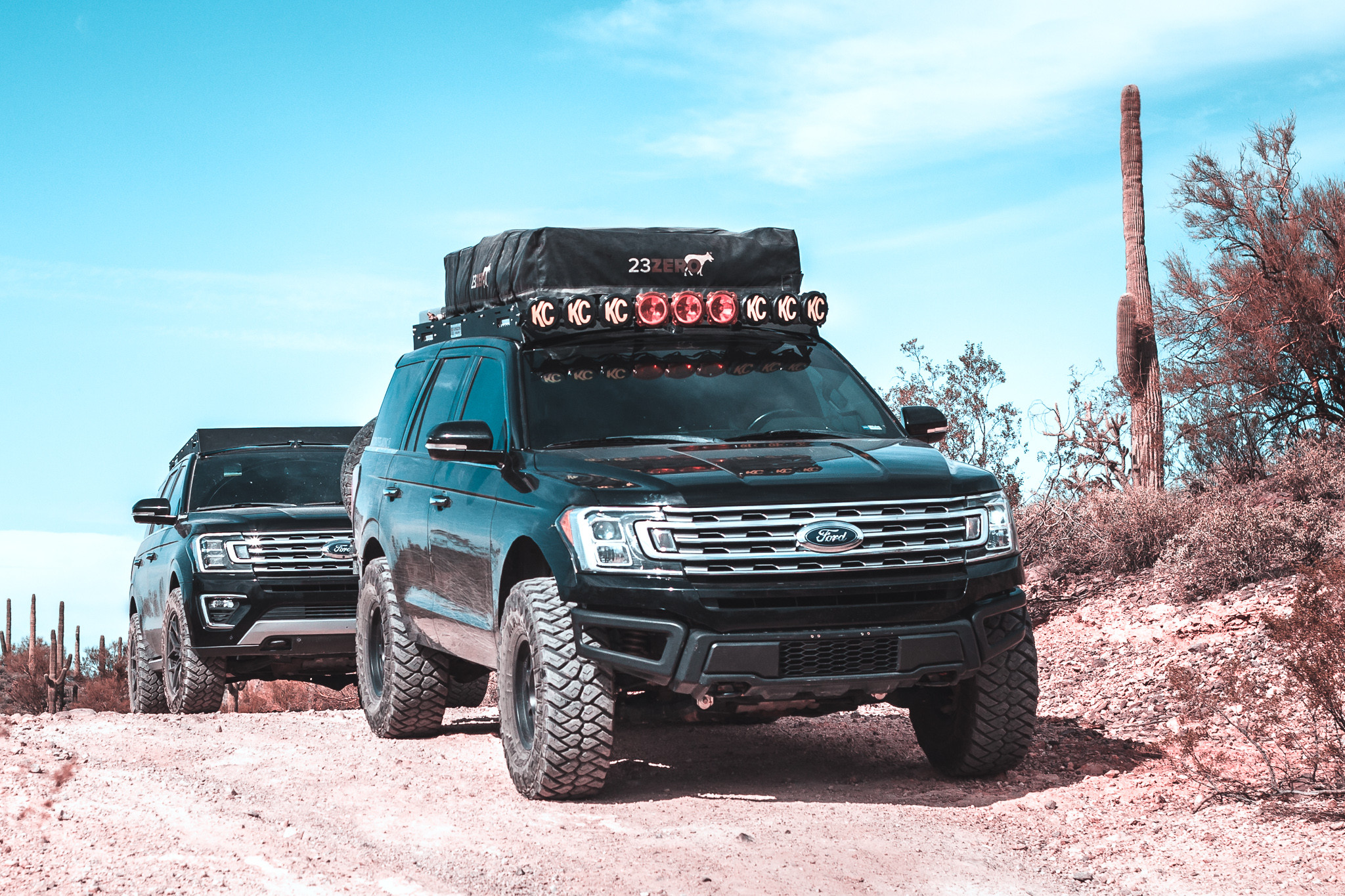
- Aggressive all-terrain or mud-terrain tires (35–40+ inches) on reinforced beadlock or heavy-duty wheels.
- Run-flat systems or tire pressure monitoring with heavy-duty inserts for continued mobility after punctures.
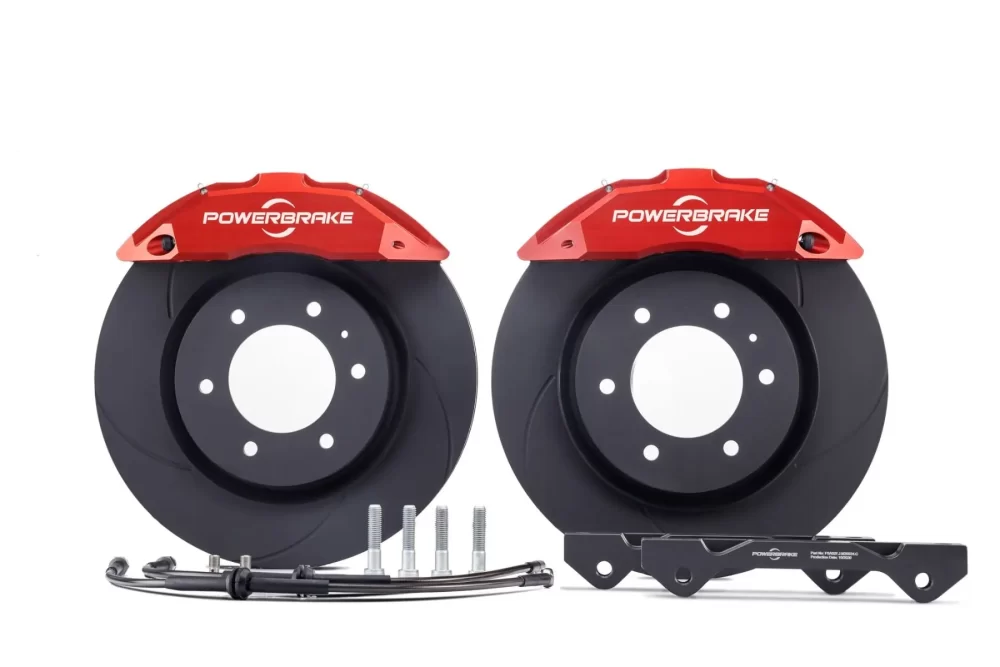
- Big brake kits (BBKs) with larger rotors and multi-piston calipers to manage increased kinetic energy from added mass.
- Drivetrain enhancements: Upgraded axles, differential lockers, gear ratios, or transfer case upgrades for better low-range torque.
Impact on performance: Braking distances shorten dramatically, and the vehicle gains confidence on trails or during evasive maneuvers. For armored builds, run-flats become essential — allowing escape even if tires are damaged.
This stage transforms the truck from street cruiser to capable explorer.

Stage 3: Protection – Ballistic Armor, Underbody Shields, and Bumpers
For executives or those venturing into higher-risk areas, protection takes center stage. Many modern builds incorporate discreet or full ballistic armoring alongside traditional skid plates.
Key modifications:
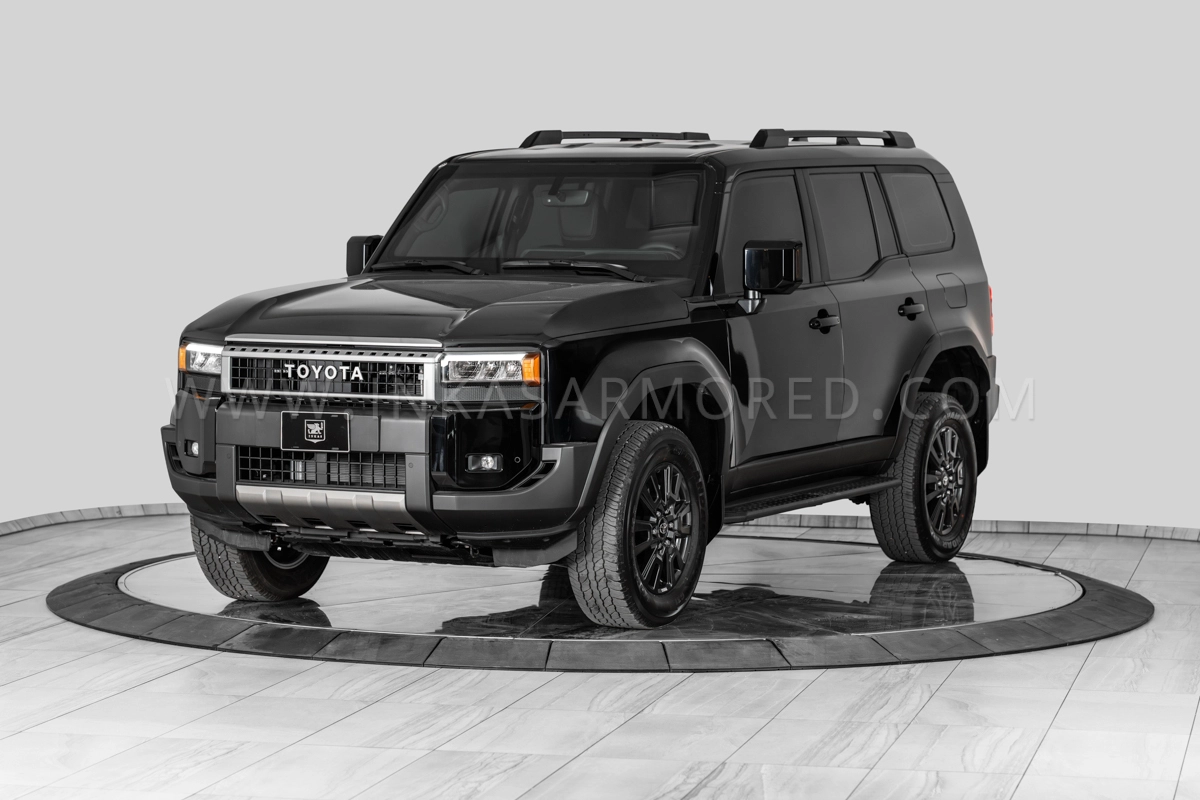
- B4 to B7 ballistic armor (glass, door panels, and vital areas) using lightweight composites and ceramics to minimize weight penalty.
- Underbody blast protection and fuel tank shielding.
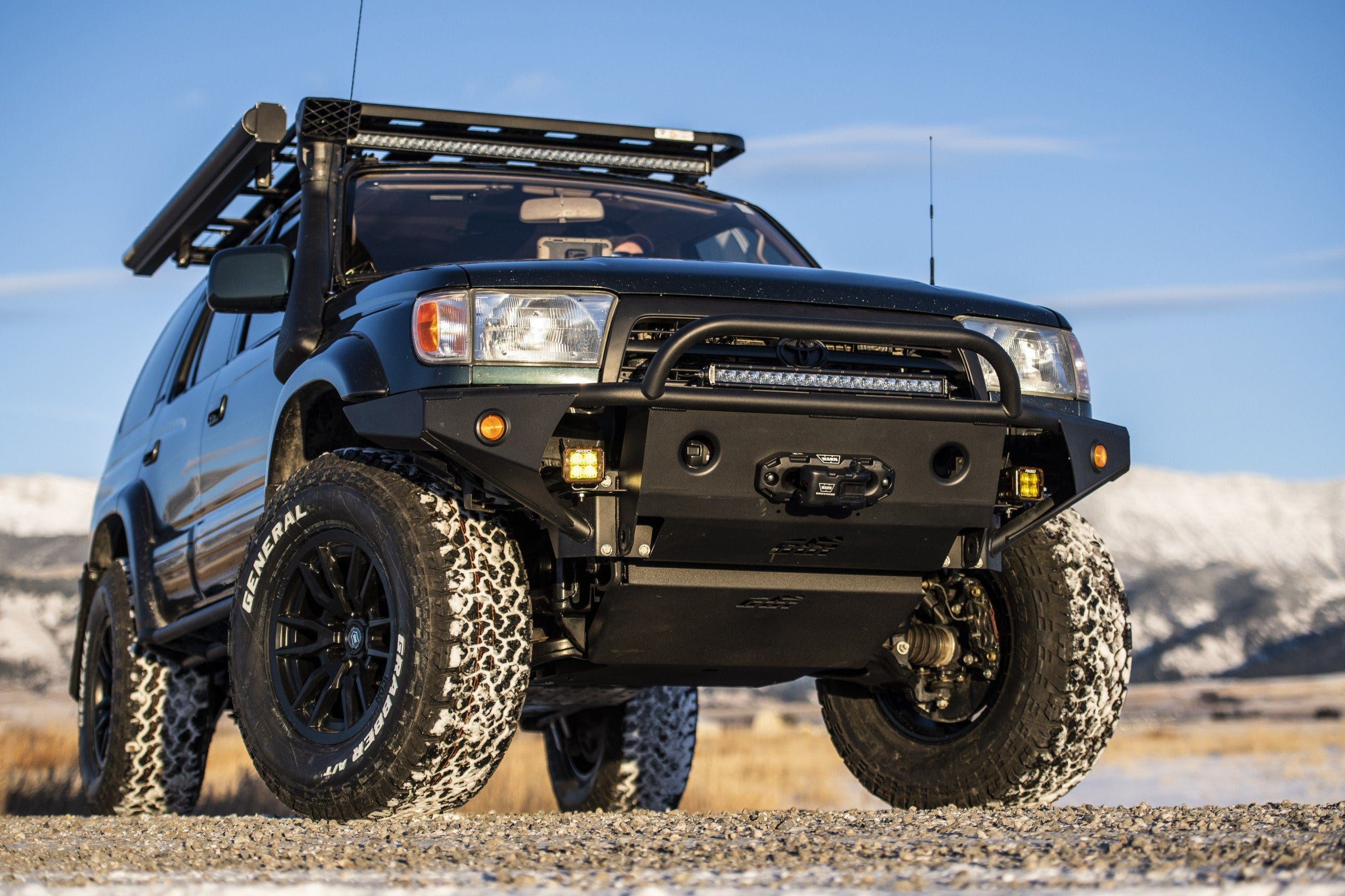
- Heavy-duty front/rear bumpers with winch mounts and recovery points.
- Rock sliders and skid plates for trail protection.
Engineering considerations: Armor weight requires revisiting suspension and brakes (often upgraded further here). Discreet builds maintain factory appearance, while expedition rigs embrace visible reinforcements.
This stage adds life-saving capability without sacrificing daily usability in subtle conversions.

Stage 4: Capability – Storage, Power, Lighting, and Recovery Systems
Now the rig becomes truly self-sufficient.
Key modifications:
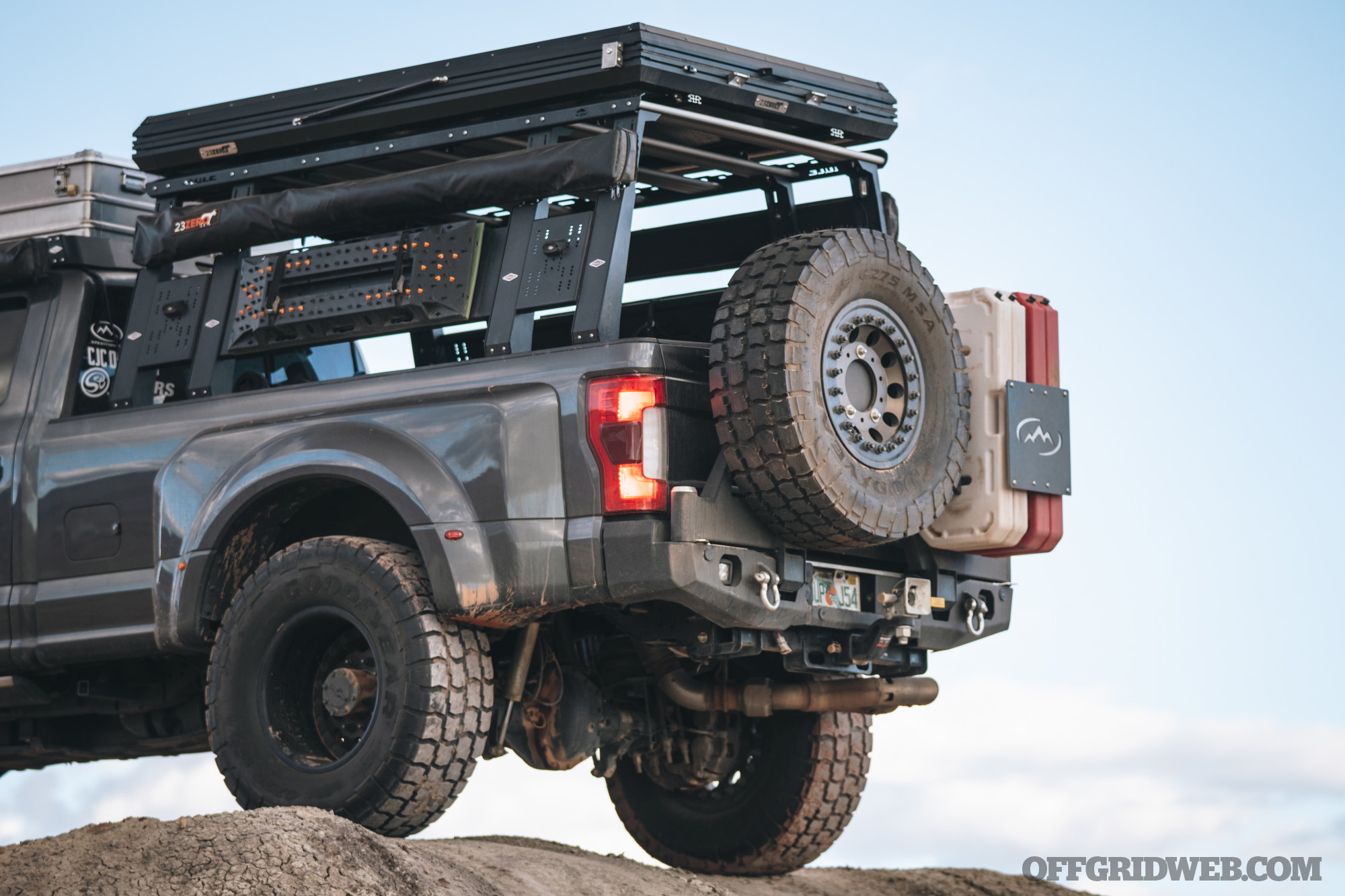
- Roof rack or expedition canopy with integrated solar panels, awnings, and storage boxes.
- Auxiliary power systems: Dual batteries, inverters, or lithium house banks with solar charging.
- Lighting upgrades: LED light bars, rock lights, and perimeter illumination.
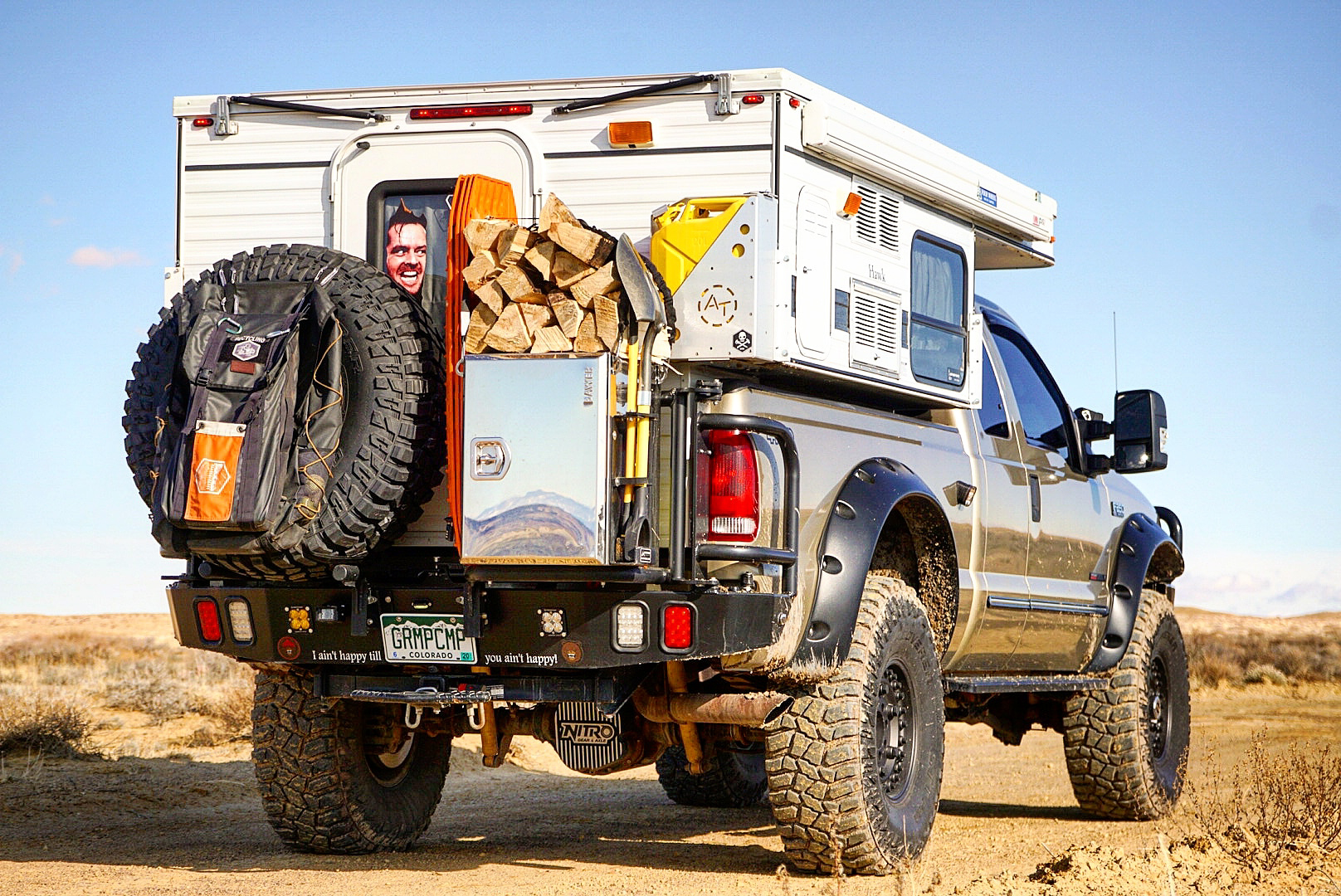
- Recovery gear: Winch, traction boards, air compressor, and hi-lift jack.
- Fuel and water storage: Long-range tanks or water systems for extended trips.
Integration tip: Smart electrical management prevents draining the starting battery. Many builds add a secondary alternator or DC-DC chargers.
The vehicle now supports multi-day expeditions or remote corporate travel with full independence.
Stage 5: Comfort & Command – Interior Luxury, Technology, and Final Tuning
The final polish turns the rig into a mobile sanctuary or command center.
Key modifications:
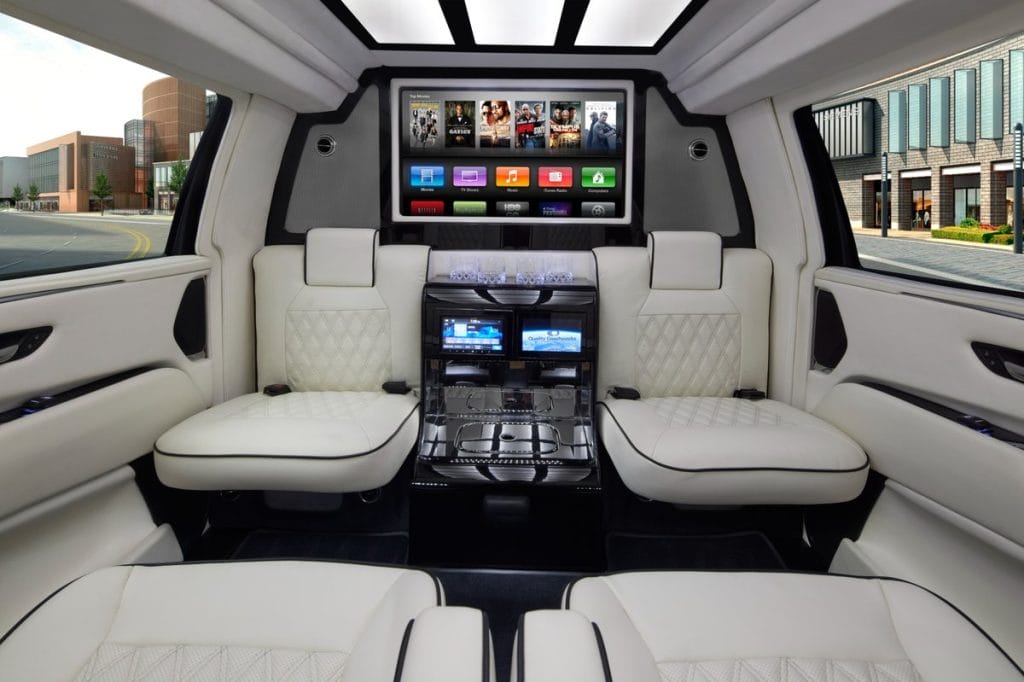
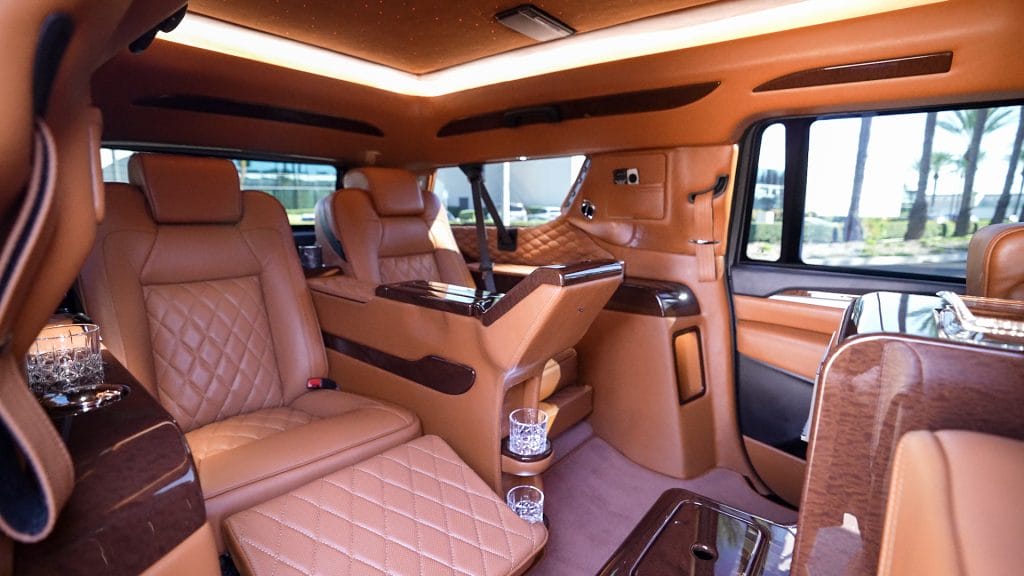
- Premium interior conversion: Custom leather seating, sound insulation, ambient lighting, and rear entertainment or mobile office setups with large screens and secure connectivity.
- Climate control upgrades and privacy features (tinted or ballistic glass).
- Advanced tech: Starlink or satellite comms, dash cams with threat detection, navigation with offline maps, and integrated security systems.
- Final tuning: Professional alignment, dyno testing, and road/off-road shakedowns to optimize ride quality and performance.
For executive-focused builds, the rear compartment often becomes a productivity suite with conference capabilities while the exterior remains understated.
Why a Staged Approach Delivers Superior Results
Building in clear stages prevents mismatched components and costly rework. A professional shop coordinates everything — from weight distribution calculations to full-vehicle certification for armored variants. Total investment ranges from $50,000 (basic overland) to $300,000+ (fully armored luxury expedition rig), but the result is a vehicle that excels in both civilized environments and extreme conditions.
Common pitfalls to avoid:
- Adding armor without upgrading suspension/brakes first.
- Overlooking electrical load from added accessories.
- Skipping professional testing and alignment.
The Finished Expedition Rig: Capability Without Compromise
A completed build delivers confidence — whether navigating urban threats with discreet armor, tackling remote trails, or conducting business from a mobile office. In today’s world of evolving risks and adventure travel, these custom rigs represent the ultimate expression of prepared mobility.
Many owners report the staged process itself builds excitement and ensures every decision aligns with their specific needs — from quiet millionaire discretion to full overland exploration.



评论
发表评论