DIY Offroad Trailer Winch and Recovery Gear Installation
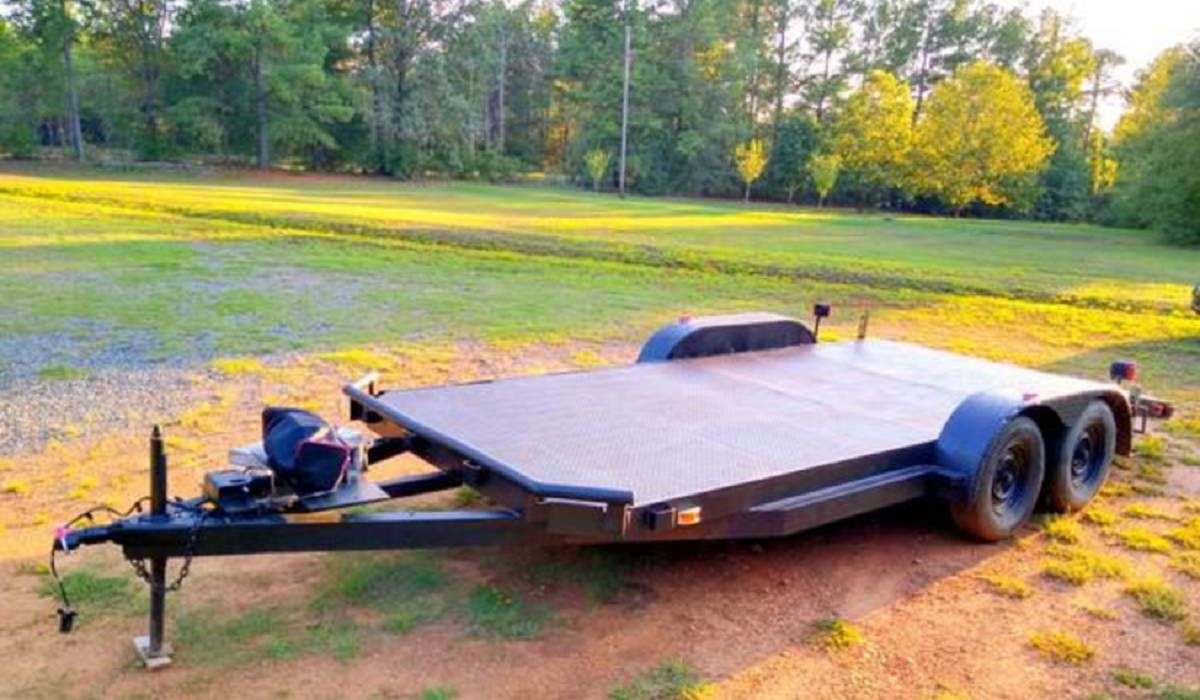
A well-equipped offroad trailer with a front-mounted electric winch ready for trail recovery and vehicle loading duties.
If you're serious about offroading, overlanding, or hauling gear into remote areas, your trailer isn't just a hauler—it's part of the recovery team. A properly installed winch turns your trailer into a mobile anchor point or self-loader, while a solid recovery gear kit ensures you can extract yourself (or help others) when stuck in mud, sand, or rocks.
This DIY guide covers two main sections: installing an electric winch on your trailer (focusing on popular tongue/A-frame or receiver-mounted setups) and assembling/organizing essential recovery gear. We'll use budget-friendly options like Harbor Freight Badlands winches, common among DIYers, while highlighting safety and best practices. Expect 4–8 hours for winch install depending on your trailer's design and tools.
Why Add a Winch & Recovery Gear to Your Offroad Trailer?
Trailers get stuck too—especially loaded ones on steep inclines, loose terrain, or during vehicle loading. A trailer-mounted winch lets you:
- Pull dead vehicles onto the deck without ramps or extra help
- Use the trailer as a stable anchor for winching your tow vehicle
- Self-recover the trailer in deep mud/sand
Recovery gear complements the winch for safe, effective pulls. Skipping proper setup risks snapped lines, damaged frames, or injury.
Part 1: DIY Winch Installation on Offroad Trailer
Step 1: Choose Your Winch & Mount Style
Popular DIY choices:
- Harbor Freight Badlands 9,000–12,000 lb (affordable, reliable for trailers)
- Warrior or Anvil 12k–17k lb models
- Synthetic rope preferred over steel cable (lighter, safer if snaps)
Mount options:
- Tongue/A-frame mount: Permanent, strongest for heavy pulls
- Receiver hitch mount: Removable, versatile (quick-release plate)
- Deck-mounted plate: For enclosed or flatbed trailers

Classic Harbor Freight 12,000 lb Badlands winch bolted to a custom trailer frame mount—simple and effective for most DIY builds.
Step 2: Gather Tools & Materials
- Drill + bits, angle grinder (if cutting steel)
- Welder (optional but recommended for custom plates)
- Bolts/nuts (Grade 8, 3/8"–1/2" depending on winch), lock washers
- Winch mounting plate or receiver adapter
- Heavy-gauge wiring kit, circuit breaker, remote control
- Battery (deep-cycle recommended) or tie into tow vehicle
Step 3: Prepare the Mounting Location
For tongue mount: Locate the strongest section of the A-frame (usually reinforced box tubing). Use the winch as a template to mark holes. Drill pilot holes, then full-size. Add backing plates for strength.
For receiver: Weld or bolt a reinforced plate with 2" receiver tube to trailer frame. Ensure alignment for easy insert/remove.
Fabricating a sturdy receiver winch mount—welded reinforcements ensure it handles full load without flexing.
Step 4: Mount the Winch
Bolt winch to plate (use provided hardware + thread locker). Install fairlead/roller. Secure cable/rope per manual. Route wiring through frame (use grommets, zip-tie neatly). Add inline breaker near battery positive.
Step 5: Wiring & Power Setup
Run 2–0 or 4-gauge cable from trailer battery (or tow vehicle via 7-pin) to winch. Ground to frame. Test solenoid/remote. Many add a secondary deep-cycle battery under the deck for independent power.
Step 6: Test & Tune
Spool in/out, check alignment. Load-test with light pull first. Adjust tension on synthetic rope if used.
Part 2: Essential Recovery Gear Setup & Storage

A full recovery kit spread out—essential items for safe trailer and vehicle extractions on the trail.
Must-Have Recovery Items for Your Trailer
- Kinetic recovery rope (20–30 ft, rated 2–3x vehicle weight) — stretches for dynamic pulls
- Tree saver strap (3" wide, 8–10 ft) — protects trees, creates anchor points
- Snatch block/pulley (8–12 ton) — doubles winch power, changes pull direction
- D-ring / soft shackles (3/4"–1", rated 4.75+ ton) — safer than metal in some cases
- Hard shackles (alloy, screw-pin or bow) — for permanent connections
- Traction boards (Maxtrax or similar) — under tires for self-recovery
- Gloves, damper blanket, shovel, hi-lift jack — basics for safety and digging

Proper snatch block configuration: winch line through block, attached to tree saver—doubles pulling power safely.
Storage Solutions on the Trailer
Use lockable boxes, under-deck trays, or dedicated bags strapped to frame. Keep gear dry and accessible. Label ratings clearly. Add a gear checklist sticker inside the lid.
Common Mistakes to Avoid
- Undersized winch (aim 1.5–2x loaded trailer weight)
- Poor grounding or undersized wiring (causes heat/failure)
- Using tow hooks or bumpers as recovery points
- No line damper—flying cable/rope is deadly
- Overlooking maintenance (grease fairlead, inspect rope)
Final Tips & Real-World ROI
Budget: $400–800 for winch + basic gear. Time investment pays off the first time you load a dead rig or pull out of a bog without calling for help. Practice pulls in a safe area. Join offroad forums for trailer-specific tips—many share custom fab drawings.
With this setup, your offroad trailer becomes a true adventure companion: hauling gear in, and pulling you out when things go sideways.


评论
发表评论