DIY Offroad Trailer Winch and Recovery Gear Installation
Offroad trailers—whether for overlanding, hauling gear, or towing toys—often end up stuck in mud, sand, or steep inclines. Adding a winch to the front (or tongue) of your trailer, plus a dedicated recovery gear kit, turns it into a self-sufficient rig that can pull itself out or assist your tow vehicle. This DIY guide walks through selecting, mounting a winch, and organizing essential recovery gear. It's budget-friendly, uses common tools, and draws from popular builds like Harbor Freight Badland winches on custom mounts.

Why Add a Winch and Recovery Gear to Your Trailer?
A trailer-mounted winch provides forward pulling power for self-recovery when your tow rig can't reach or when the trailer is the stuck party. Paired with recovery gear (straps, shackles, blocks), you gain versatility for trail obstacles. Popular choices include electric winches rated 9,000–12,000 lbs for most trailers, offering reliable pulls without breaking the bank.
Step 1: Choosing the Right Winch
For DIY trailer installs, budget electric winches shine:
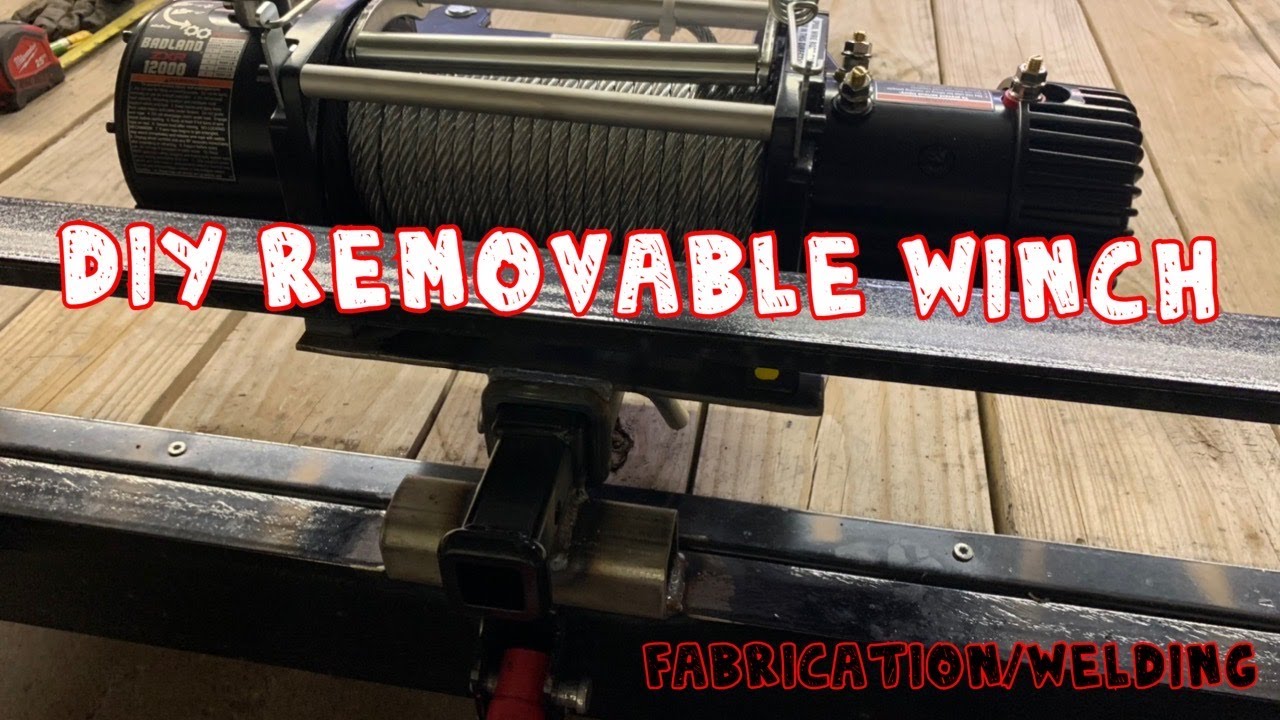
- Harbor Freight Badland Apex 12,000 lb: Affordable, reliable for trailer use, synthetic or steel cable options.
- Similar 9,000–12,000 lb models from brands like Traveler or Superwinch for heavier setups.
Rule of thumb: Winch capacity at least 1.5x the trailer's loaded weight (including gear/vehicle). Add a wireless remote and synthetic rope for safety and ease.
Step 2: Mounting the Winch (DIY Options)
Most trailers use a tongue-mounted setup for accessibility. Common DIY approaches:
- Receiver Hitch Mount (Removable): Fabricate or buy a heavy-duty plate that slides into a 2" receiver on the tongue. Weld or bolt a winch cradle. Secure with hitch pin. Pros: Easy removal for loading/unloading. Many builds use steel plate (1/4"–3/8") reinforced with gussets.
- Permanent Frame Mount: Weld a box or bracket directly to the trailer frame tongue. Use structural steel (e.g., 3" channel or tube) for strength. Include weatherproof enclosure if desired.
- Twin Receiver Setup: Dual receivers for stability on heavy pulls—great for car haulers or overland trailers.
Tools needed: Welder (or bolt-on if no fab skills), drill, angle grinder, measuring tape. Always reinforce with cross-bracing and calculate loads—aim for mounts stronger than the winch rating.

Step 3: Wiring and Power Setup
Run heavy-gauge cable (2–0 AWG recommended) from the trailer battery or tow vehicle. Add a quick-disconnect plug near the tongue. Install an inline fuse or breaker. For remote operation, wire the control box securely and route cables away from moving parts. Test thoroughly before trails—check solenoid clicks and free-spool function.
Step 4: Building Your Recovery Gear Kit
Store gear accessibly—under deck, in locked boxes, or dedicated compartments. Essentials for offroad trailer recovery:
- Kinetic recovery rope or snatch strap (20–30 ft, rated 2–3x vehicle weight)
- Tree saver strap (to protect anchors)
- Snatch block/pulley (doubles winch power)
- D-ring shackles (3/4" or larger, screw-pin or soft shackles for safety)
- Recovery boards (e.g., Maxtrax-style) for traction
- Gloves, hi-lift jack (versatile lifter), shovel, traction mats
- Hard case or bag for organization
Use waterproof cases (YETI-style) or custom mounts to keep everything dry and rattle-free. Label items and practice setups at home.


Safety and Best Practices
- Never stand in line with loaded rope/strap—snap-back is deadly.
- Use dampers (towel/blanket) over lines.
- Inspect gear regularly for wear.
- Practice pulls in controlled areas.
- Carry backup anchors (e.g., another vehicle or tree).
With a solid winch mount and organized kit, your trailer becomes a recovery asset, not a liability. Start small—many builders begin with a removable hitch mount for easy testing.
Conclusion
Installing a DIY winch and recovery gear on your offroad trailer boosts confidence on remote trails. Whether fabricating a custom mount or bolting on a receiver plate, focus on strength, accessibility, and safety. The investment pays off when you're unstuck and back adventuring quickly. Hit the trails prepared!
Word count: approximately 1010


评论
发表评论