The Ultimate Overlanding Trailer Packing List
The Ultimate Overlanding Trailer Packing List
Posted on January 27, 2026
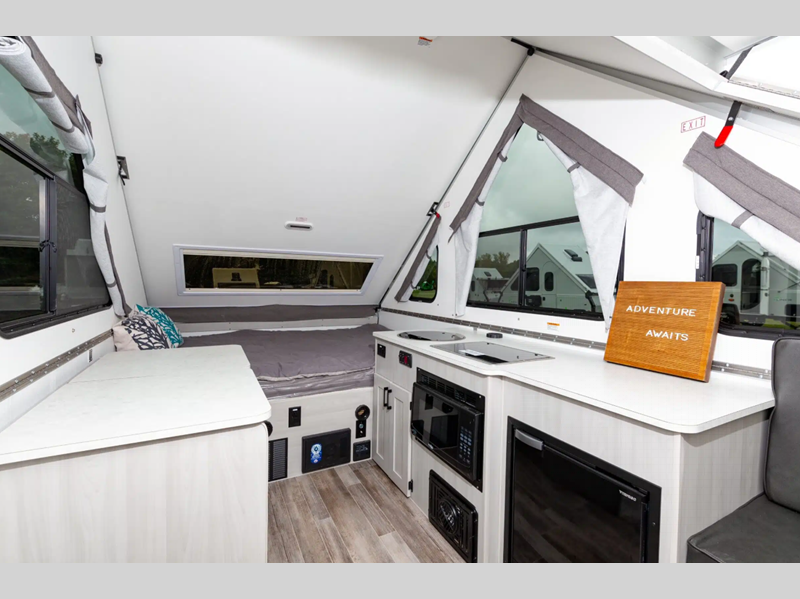
Overlanding has surged in popularity as adventurers seek to escape the beaten path and immerse themselves in nature's raw beauty. Whether you're traversing rugged mountains, crossing vast deserts, or navigating dense forests, having the right gear in your overlanding trailer is crucial for safety, comfort, and enjoyment. This ultimate packing list is designed for both novice and seasoned overlanders, drawing from expert recommendations and real-world experiences to ensure you're prepared for any expedition. We'll break it down into categories, covering everything from essentials to nice-to-haves, aiming to help you pack efficiently without overloading your rig.
Before we dive in, remember that your choice of vehicle and trailer sets the foundation for your adventure. If you're considering a heavy-duty setup for extreme conditions, check out this Mercedes Heavy Truck Camper for Extreme Overlanding, a robust option built on a Mercedes chassis that's perfect for demanding off-road missions with superior durability and customization.
1. Vehicle and Trailer Essentials
Your overlanding trailer is your mobile base camp, so start with the basics to ensure reliability on the trail. Focus on maintenance items and upgrades that enhance performance and safety.
- Full-size spare tire and tire repair kit (plugs, patches, and a compressor).
- Recovery gear: Tow straps, kinetic recovery rope, D-ring shackles, and a winch if equipped.
- Trailer hitch lock and wheel chocks for security and stability.
- Solar panels or a generator for off-grid power, plus batteries and inverters.
- Water storage: At least 2 gallons per person per day, with filtration systems like a Berkey or LifeStraw.
- Propane tanks for cooking and heating, securely mounted.
- Leveling blocks and jacks to set up camp on uneven terrain.
- Roof rack or storage boxes for extra gear organization.
Pro tip: Regularly check your trailer's brakes, lights, and suspension before each trip. For extreme setups, vehicles like heavy truck campers offer enhanced payload and stability—explore options like the aforementioned Mercedes model for inspiration.

2. Camping and Shelter Gear
Sleeping comfortably after a long day of driving is non-negotiable. Pack items that provide protection from the elements while being easy to set up.
- Ground tent or rooftop tent: Opt for a durable, weatherproof model like those from Tepui or Roofnest.
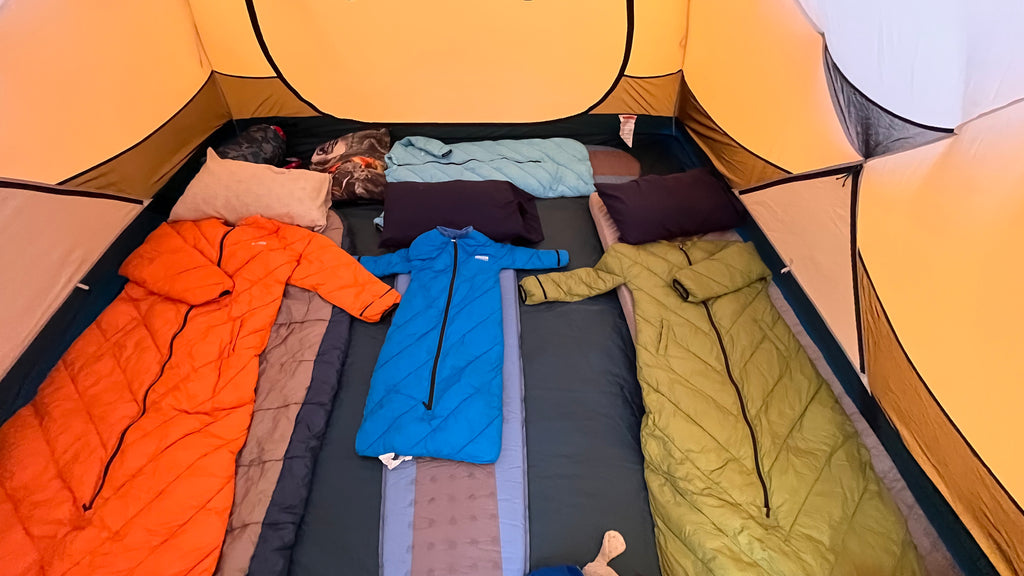
- Sleeping bags rated for the expected temperatures, plus liners for added warmth.
- Inflatable or foam sleeping pads/mattresses for insulation and comfort.
- Camping pillows and blankets for a home-like feel.
- Awning or tarp for shade and rain protection, with poles and guy lines.
- Camp chairs and a foldable table for relaxing around the fire.
- Hammock for lounging or emergency sleeping.
- Ground mat or rug to keep dirt out of your living area.
In colder climates, add a portable heater, but always prioritize ventilation to avoid carbon monoxide risks. For multi-day trips, modular shelters integrated with your trailer can save time and space.
3. Kitchen and Food Supplies
Eating well on the road boosts morale. Equip your trailer with a portable kitchen setup to prepare meals efficiently.
- Portable stove or grill (e.g., Jetboil or Coleman) with fuel.
- Cooler or fridge: Electric models like Dometic for keeping perishables fresh.
- Cookware: Pots, pans, utensils, plates, and cups—preferably stackable and durable.
- Food storage: Bear-proof containers if in wildlife areas, plus dry goods like rice, pasta, and canned items.
- Water purification tablets or a pump filter as backup.
- Cutting board, knives, and multi-tool for prep work.
- Biodegradable soap, sponges, and trash bags for cleanup.
- Coffee maker or French press for that essential morning brew.
Plan meals in advance to minimize waste, and consider dietary needs. A well-stocked kitchen turns remote campsites into gourmet experiences.
4. Navigation and Communication Tools
Getting lost can turn adventure into disaster. Invest in reliable tech to stay on course and connected.
- GPS device or app like Gaia GPS with offline maps.
- Paper maps and compass as backups.
- Satellite communicator (e.g., Garmin inReach) for emergencies in no-signal areas.
- CB radio or ham radio for vehicle-to-vehicle communication.
- Portable charger and solar-powered battery banks for devices.
- Weather radio to monitor forecasts.
- Binoculars for scouting ahead.
Download maps before leaving and test all devices. In extreme terrains, these tools are lifesavers.
5. Recovery and Maintenance Tools
Breakdowns happen—be ready to handle them without external help.
- Tool kit: Wrenches, screwdrivers, pliers, and duct tape.
- Jack, lug wrench, and tire chains for snow or mud.
- Extra fluids: Oil, coolant, brake fluid, and fuel.
- Jump starter or battery cables.
- Multi-meter for electrical issues.
- Shovel, axe, and saw for clearing paths.
- Fire extinguisher and flares.
Learn basic repairs through online tutorials or courses. For heavy-duty rigs, like the Mercedes Heavy Truck Camper, built-in redundancies can minimize downtime.
6. First Aid and Safety Essentials
Health and safety come first. Pack a comprehensive kit and know how to use it.
- First aid kit: Bandages, antiseptics, pain relievers, tweezers, and scissors.
- Prescription medications and personal items like sunscreen and insect repellent.
- Emergency blanket and whistle.
- Snake bite kit if in relevant areas.
- Personal locator beacon (PLB).
- Headlamp and extra batteries.
- Multi-tool with knife.
Take a first aid course and customize your kit based on group needs and destination risks.
7. Miscellaneous and Comfort Items
These extras make the trip enjoyable without essentials.
- Clothing: Layered, weather-appropriate outfits, including rain gear and sturdy boots.
- Entertainment: Books, games, or a portable speaker.
- Toiletries: Biodegradable wipes, toilet paper, and a portable toilet.
- Bin bags and recycling options for Leave No Trace principles.
- Camera or drone for capturing memories.
- Multi-purpose rope and bungee cords.
- Portable shower or solar shower bag.
Tailor this section to your group's preferences—overpacking comforts can weigh you down, so prioritize versatility.
Final Thoughts
This packing list is a starting point; adapt it to your specific adventure, vehicle capacity, and group size. Always test your setup on short trips before long expeditions. Overlanding is about freedom and exploration, but preparation ensures you return with stories, not regrets. For those pushing boundaries with heavy-duty setups, the Mercedes Heavy Truck Camper for Extreme Overlanding offers industrial-grade reliability—definitely worth a look for your next build.
Happy trails!
(Word count: approximately 1050)


评论
发表评论