Offroad Camper Maintenance Tips You Should Know
Offroad Camper Maintenance Tips You Should Know
Offroad camping offers incredible freedom to explore remote trails, mountains, and deserts far from civilization. Whether you're using a rooftop tent, slide-in camper, or a custom-built setup on a 4x4 truck, your offroad camper endures harsh conditions: mud, dust, water crossings, extreme temperatures, and constant vibration. Proper maintenance keeps your rig reliable, safe, and ready for the next adventure. Here are essential tips to prolong the life of your offroad camper setup.
1. Inspect and Maintain the Suspension and Chassis
Offroad travel puts tremendous stress on your vehicle's suspension, shocks, springs, and underbody components. Regularly check for loose bolts, worn bushings, leaking shocks, and cracked welds. Lifted setups or heavy campers add extra weight, accelerating wear on ball joints, control arms, and tie rods.

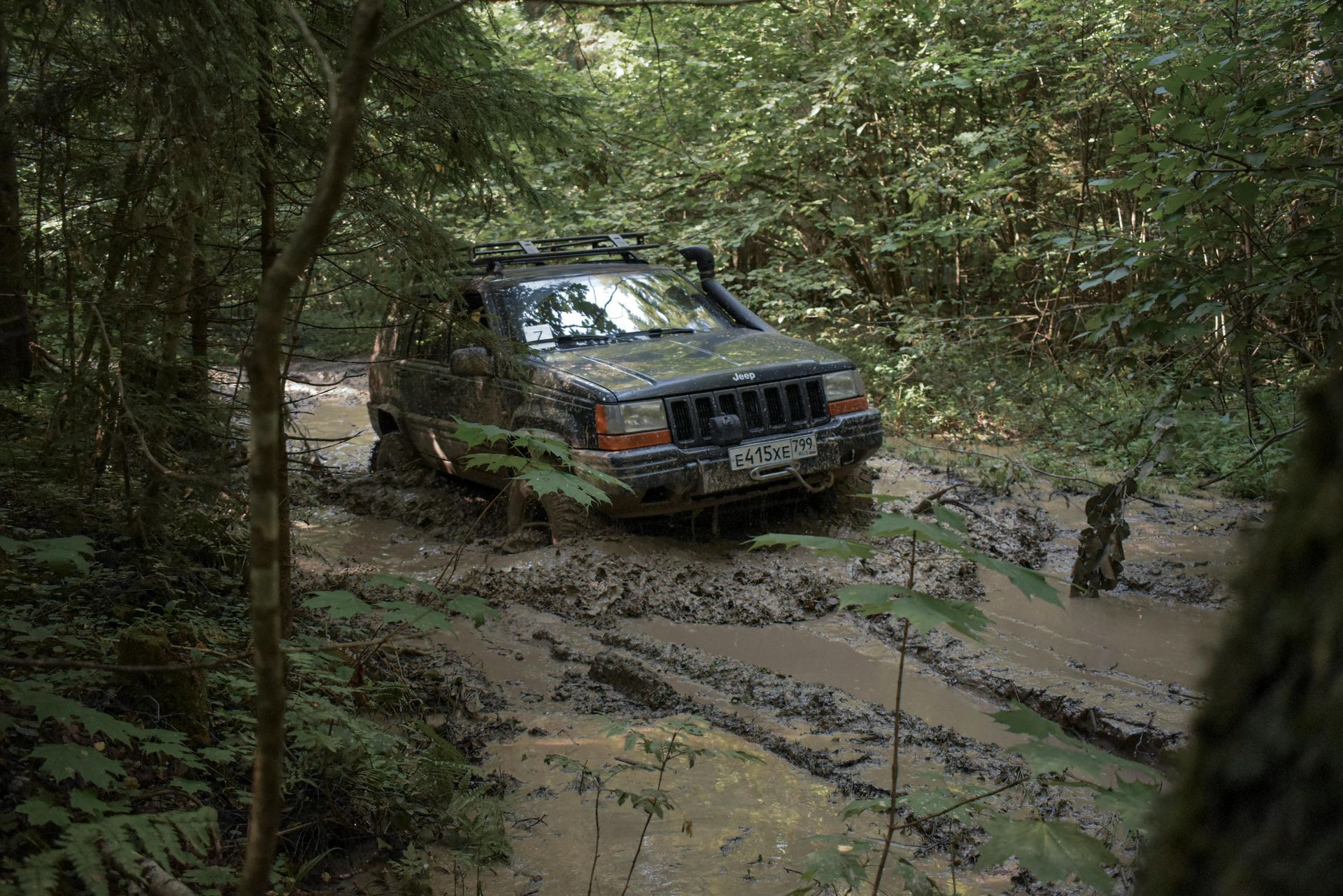
After muddy or rocky trips, thoroughly wash the undercarriage to remove salt, mud, and debris that cause rust. Consider applying an underbody protectant or rust inhibitor annually. Don't forget to grease zerks on suspension parts if equipped—many offroad rigs have them for longevity.

2. Tire Care: Your Most Critical Offroad Component
Tires are your only contact with the ground in rough terrain. Check pressure before every trip (including the spare), inspect for cuts, punctures, sidewall damage, and uneven wear. Rotate tires every 5,000–8,000 km, and balance them if you notice vibrations. Offroad tires often require higher maintenance due to aggressive tread patterns that collect stones.
Carry a quality tire repair kit, compressor, and bead seater for remote flats. Monitor tread depth—below 4/32" is risky on wet or loose surfaces. Store tires properly when not in use to avoid dry rot.
3. Keep It Clean – Especially After Offroad Trips
Mud, sand, and salt are silent destroyers. Rinse the entire vehicle (including wheel wells, frame rails, and camper exterior) as soon as possible after offroad use. Use a mild car shampoo and avoid high-pressure washers directly on seals or sensitive components to prevent water intrusion.
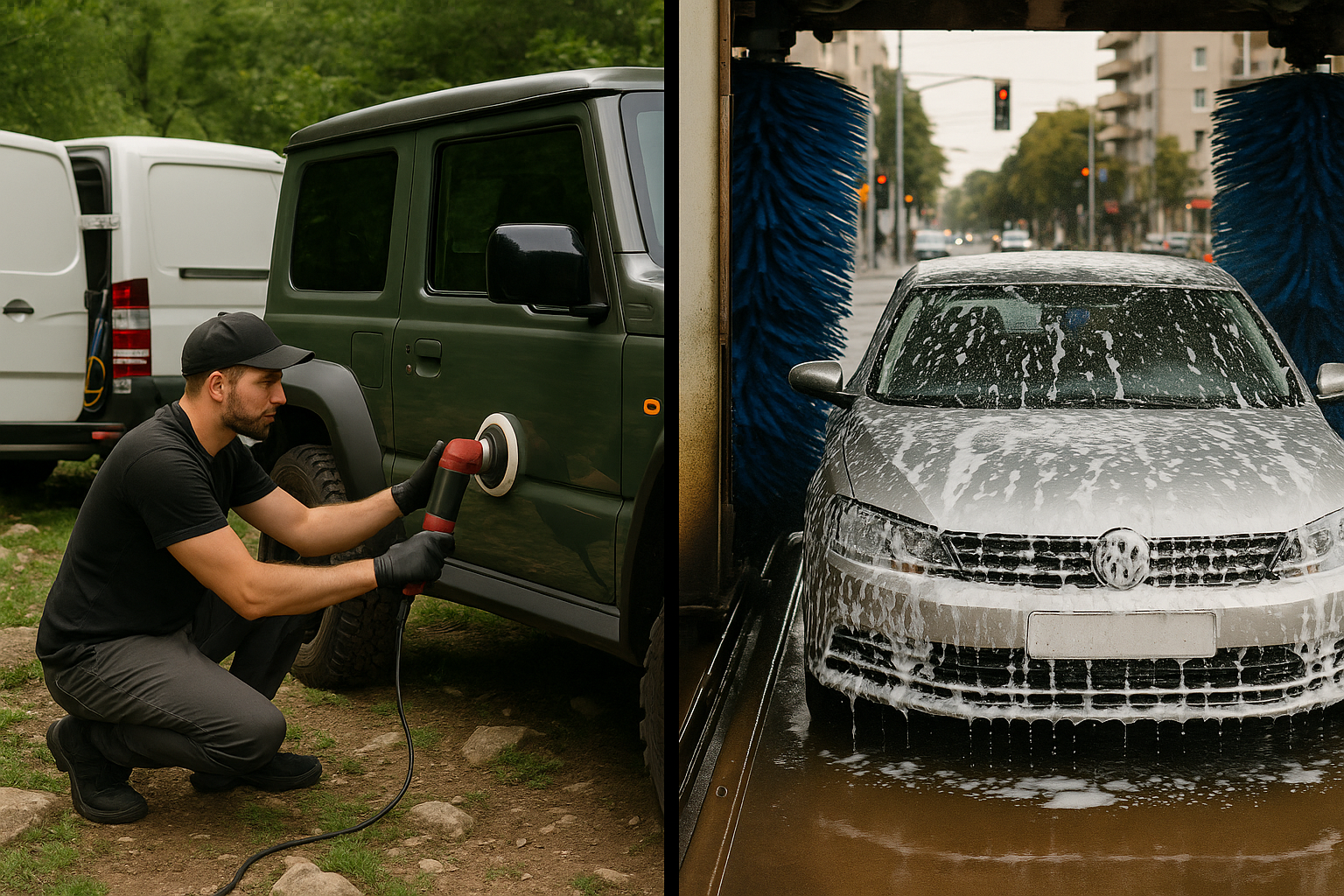
Pay special attention to the camper body: clean slide-outs, awnings, seals, and roof vents. Apply protectant to rubber seals to prevent cracking from UV exposure. For canvas tents or soft tops, dry thoroughly before packing to avoid mold.
4. Electrical and Battery System Checks
Offroad campers rely heavily on auxiliary batteries, solar panels, inverters, and LED lighting. Test batteries monthly with a multimeter, clean terminals, and ensure secure connections. Check solar panel mounts for tightness and clean panels for maximum efficiency. Inspect wiring for chafing or exposed wires caused by vibration.
Carry spare fuses, bulbs, and a portable jump starter. If using dual battery systems, verify isolators or voltage-sensitive relays function correctly to prevent draining the starter battery.
5. Water and Plumbing Maintenance
Fresh water tanks, pumps, and pipes can freeze, leak, or harbor bacteria. Flush the system regularly with a sanitizer solution. Inspect hoses for cracks, check fittings for leaks, and winterize plumbing if storing in cold climates. Use RV-approved antifreeze when needed.
Clean gray and black tanks (if equipped) thoroughly after each trip. Lubricate valves and replace seals as necessary to prevent odors and leaks.
6. Roof, Seals, and Canvas Care
Rooftop tents and hard-shell campers face constant UV, wind, and debris. Inspect roof seals, caulking, and mounting hardware frequently. Reapply sealant annually or when cracks appear. For pop-up tents, treat canvas with waterproofing spray and repair tears promptly with tent repair tape.
Check ladder stability and roof rack load ratings—overloading causes sway and structural fatigue.
7. Storage and Seasonal Preparation
When not in use, store your camper in a dry, covered area if possible. Elevate tires, disconnect batteries, and use stabilizers to reduce strain. Cover the vehicle to protect from sun and dust. Perform a full inspection before the next season: fluid levels, belts, hoses, brakes, and lights.
Upgrade Your Setup for Better Durability
Investing in quality accessories makes maintenance easier and extends lifespan. For pickup owners, a well-designed camping box or slide-in camper shell transforms your truck into a reliable adventure vehicle. Check out this detailed guide on Ford Ranger camper setup, including step-by-step Ford Ranger camping box installation tips that can inspire your own build.
Ready to enhance your offroad adventures? Discover practical installation ideas and gear recommendations in our Ford Ranger camping box article – perfect for anyone building a durable, functional camper setup.
Regular maintenance might seem time-consuming, but it prevents costly breakdowns in remote areas. Stay proactive, inspect often, and enjoy worry-free offroad camping for years to come. Safe travels!
Word count: ~1050


评论
发表评论